Do You Need a Heart Health Check? Risk Factors You Should Know
Heart disease remains one of the leading causes of illness and premature death in Ireland, yet many people only discover a problem when symptoms become serious. The truth is that cardiovascular disease often develops silently for years — which is why early, proactive heart health checks are so important.
A quick cardiac screening can detect risks early, provide clarity, and give you the tools to protect your long-term health. But how do you know when you should get one?
Below, we break down the key risk factors, warning signs, and who benefits most from a heart health check.
👉 To learn more about what’s included in a cardiac screening, visit: https://dooctor.ie/cardiac-screening/
Why Heart Health Checks Matter
Heart conditions such as hypertension, arrhythmias, or high cholesterol often develop without obvious symptoms. Many people feel completely fine until a serious event — such as a heart attack — occurs.
Early screening can help by identifying:
- high blood pressure
- high cholesterol
- irregular heartbeat
- early signs of heart or vascular disease
- lifestyle factors increasing your risk
Detecting these issues early gives you time to make changes, seek treatment, and reduce your long-term risk significantly.
Major Risk Factors for Heart Disease
There are several common risk factors that increase the chances of developing heart problems. Some are genetic or age-related, while others relate to lifestyle.
1. Family History of Heart Disease
If your parent or sibling had heart disease — particularly before age 55 (men) or 65 (women) — your own risk is higher.
Family history is one of the strongest predictors, and it’s often overlooked.
2. High Blood Pressure
Hypertension forces your heart to work harder and can damage blood vessels over time.
Many adults in Ireland have undiagnosed high blood pressure, making screening especially important.
3. High Cholesterol
High LDL cholesterol can lead to plaque buildup in the arteries, increasing your risk of heart attack and stroke.
4. Diabetes or Prediabetes
High blood sugar damages blood vessels and raises the risk of cardiovascular disease. People with diabetes are two to four times more likely to develop heart problems.
5. Smoking or Vaping
Smoking is still one of the most harmful risk factors.
Even occasional smoking increases the risk of heart disease — and vaping is not risk-free either.
6. Being Overweight or Having a Sedentary Lifestyle
Excess weight, particularly around the stomach, increases blood pressure, cholesterol, and inflammation.
7. Stress and Poor Sleep
Chronic stress raises adrenaline and cortisol, which can raise blood pressure and contribute to heart strain.
Poor sleep (less than 6 hours) is linked to higher heart disease risk.
8. Age
Risk increases as you get older:
- Men over 40
- Women over 50 or post-menopause
This is often the point when early plaque buildup or arrhythmias begin to be detected.
Do You Have Any Symptoms? These May Indicate a Heart Problem
You should seek medical advice or consider a heart check if you experience:
- chest pressure, discomfort, or tightness
- shortness of breath during normal activities
- palpitations or irregular heartbeat
- unexplained fatigue
- dizziness or feeling faint
- swelling in legs or ankles
- discomfort in the jaw, neck, shoulder, or upper back
Some symptoms — especially in women — can be subtle. Never ignore changes in how your body feels.
💡 Remember: These symptoms can be caused by other conditions too — but it’s always safest to get them checked.
Who Should Get a Heart Health Check?
You should strongly consider screening if you:
✔ are over 40
✔ have a family history of heart disease
✔ smoke or used to smoke
✔ are overweight or inactive
✔ have diabetes or prediabetes
✔ have high blood pressure or high cholesterol
✔ experience palpitations or chest discomfort
✔ feel more breathless than usual
✔ are under significant stress
✔ want a proactive understanding of your heart health
Many people choose screening simply for peace of mind — and that’s a valid reason too.
What’s Included in a Cardiac Screening?
At Dooctor.ie, our heart health assessment can include:
- full medical history and lifestyle review
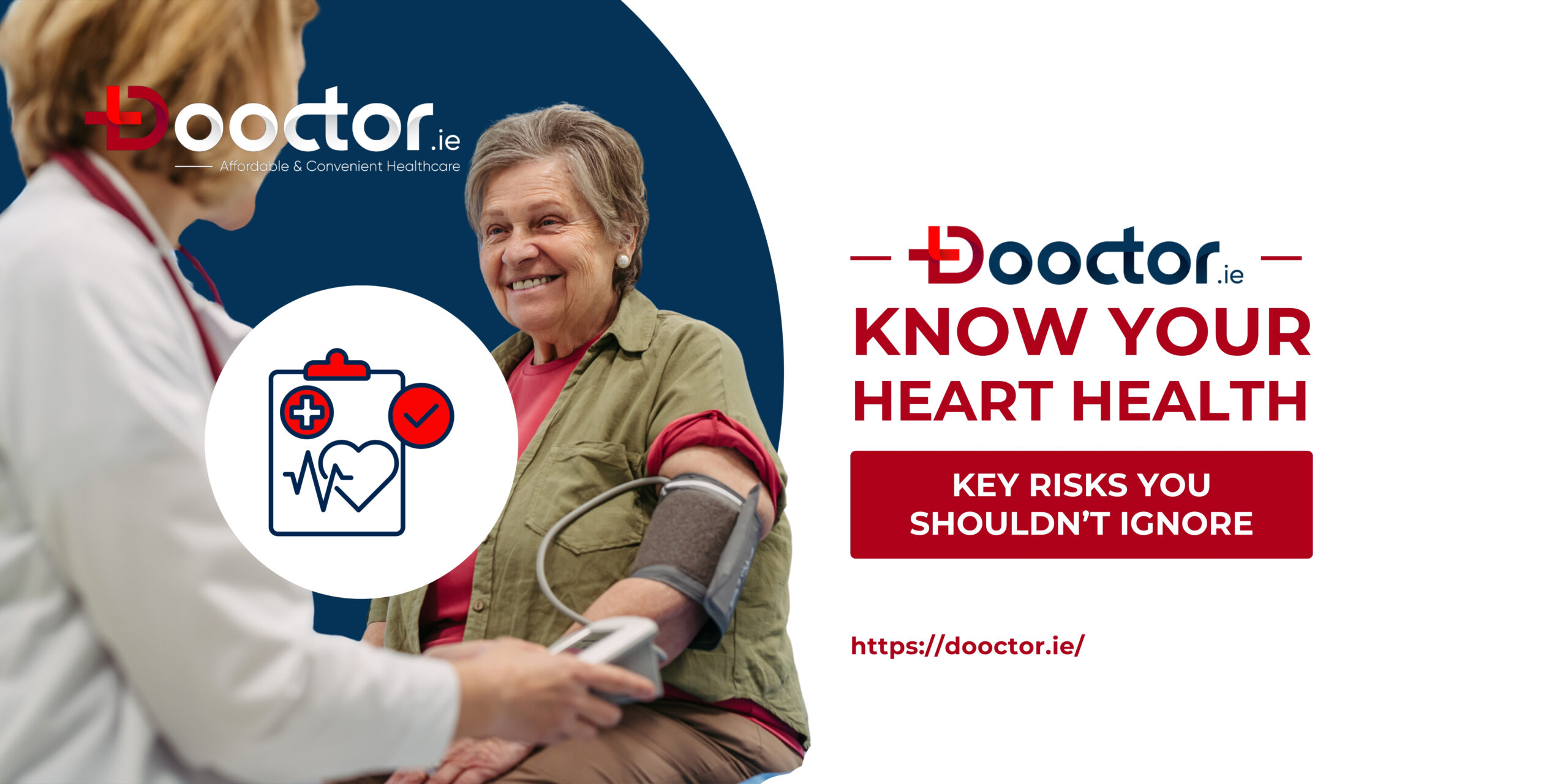
- blood pressure measurement
- cholesterol and blood testing
- resting ECG (electrocardiogram)
- pulse and oxygen level checks
- referral for further imaging or cardiology if needed
Screenings are quick, non-invasive, and available at selected clinics.
👉 Learn more or book a screening: https://dooctor.ie/cardiac-screening/
Can Lifestyle Changes Reduce Your Risk?
Yes — even small changes can improve heart health significantly.
Recommended habits include:
- regular exercise (30 minutes most days)
- a balanced diet rich in fruits, veg, and whole grains
- reducing salt and processed foods
- stopping smoking
- limiting alcohol
- managing stress with sleep, mindfulness, or relaxation
- maintaining a healthy weight
Your doctor can offer personalised guidance based on your results.
When to Visit a Doctor Urgently
Seek immediate medical help if you experience:
- severe chest pain
- sudden shortness of breath
- fainting
- rapid or irregular heartbeat
- sudden weakness in arms or legs
These can be signs of a medical emergency.
Take Charge of Your Heart Health
A heart health check is one of the most effective steps you can take to understand and reduce your risk. Whether you have concerns, symptoms, or simply want reassurance, cardiac screening can give clarity and guidance.
At Dooctor.ie, we make heart checks accessible, affordable, and available across Ireland — with fast results and trusted care.
👉 Book your screening or learn more here: https://dooctor.ie/cardiac-screening/
⸻
For more information about Dooctor.ie, please visit dooctor.ie or call 0818 010 999